After 1933 (and finalized in 1971): The U.S. moved to a pure fiat system. The Federal Reserve acts as the ultimate Banker. When a crisis hits (like 1938, 2008, or 2020), the Fed uses “quantitative easing” (printing more paper slips) to keep the game from freezing up, inflating the total amount of money in play while the actual physical assets (the land) remain fixed.
“Go to Jail” and the Legal Safety Valves
The “Just Visiting” vs. “Go to Jail” dynamic captures the split in the American legal system.
For the average citizen, an unlucky roll or a violation of the rules sends you directly to the box, halting your ability to move or collect wages.
However, inside the rules of Monopoly, there is a famous loophole: players in Jail can still collect rent on their properties. This perfectly symbolizes institutional wealth in America. Even if a corporation or an executive faces legal gridlock, their capital, assets, and automated systems continue to generate passive income regardless of their personal freedom.

THE PARALLELS
In order to play Monopoly the game, one has to agree to play, otherwise this would be considered a crime. The same thing within the Public sector within the united States, prior to the 1933 act which expanded the governments powers.
Before 1933, the federal government (the Banker) had to play by the strict, standard rules printed on the box (The Constitution).
The players bought properties, traded with each other, and collected rent.
The Banker’s job was strictly limited to handing out cash at GO, managing the bank’s property deeds, and collecting standard taxes when someone landed on Income Tax or Luxury Tax.
The Banker could not take your properties away, nor could they close down the railroads or utilities just because the game was going poorly.
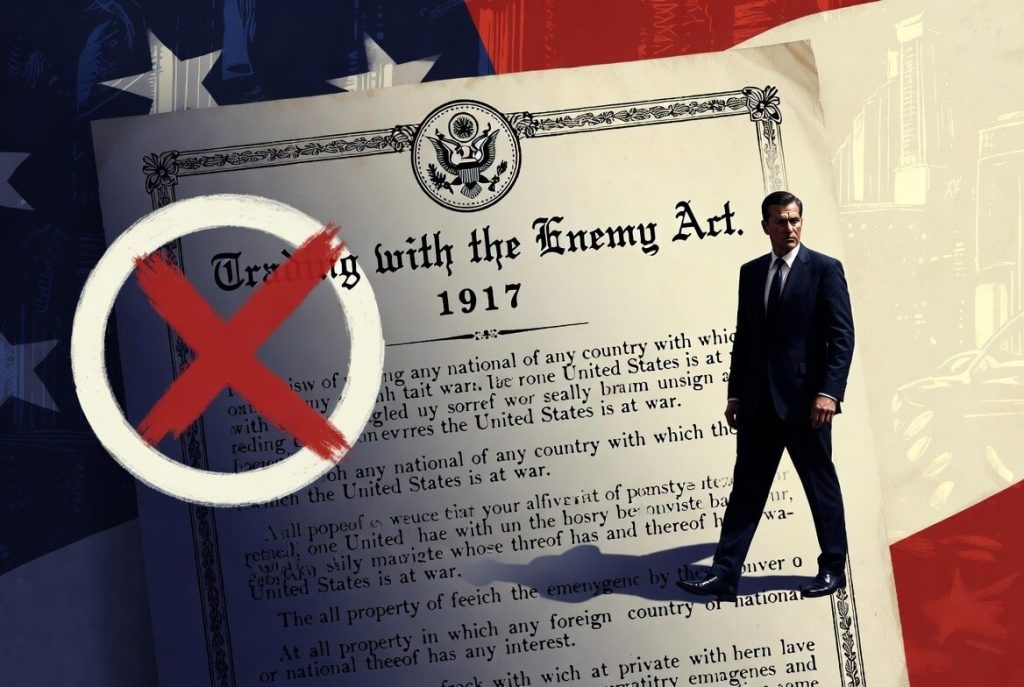
When the Trading with the Enemy Act was created in 1917, it was like the Banker drawing a highly specific, powerful Chance Card during a crisis (World War I).
The card read: “If another player attacks the board from the outside, the Banker can seize their properties and freeze their assets.”
Crucially, the fine print on the card stated: “Cannot be used against regular players actively sitting at the table.” Once World War I ended, that card was placed at the bottom of the deck.
In 1933, when the economy crashed and the game was freezing up, the Banker didn’t just play by the rules to fix it. Instead, they pulled that old wartime Chance Card back out and literally crossed out the fine print.
By adding the words “or during a national emergency,” the Banker changed the card to read:
“If the Banker decides the game is in a crisis, the Banker can use wartime powers against the players sitting at the table.”
The moment FDR declared the Bank Holiday and used the amended TWEA, the Banker effectively shouted, “Time out!” and froze the entire board.
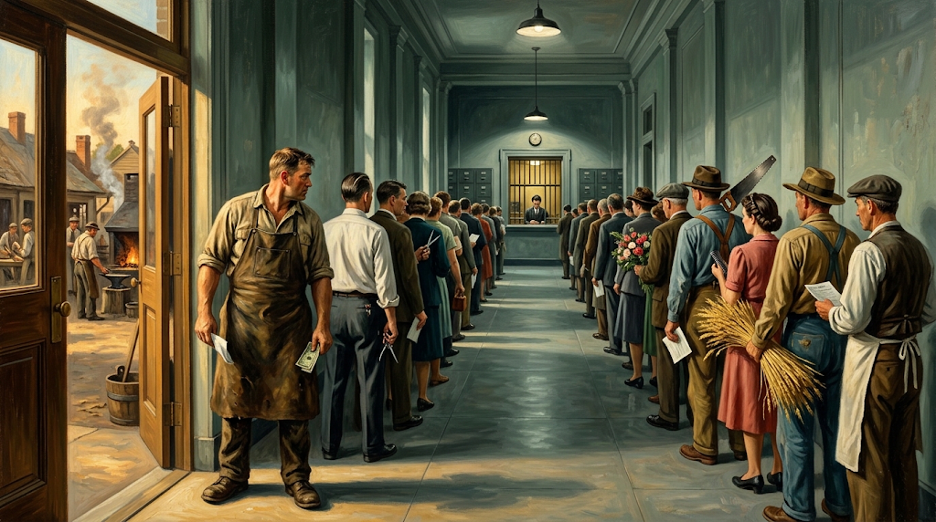
Closing the Banks: In Monopoly terms, the Banker locked up all the cash. If you wanted to roll the dice or make a trade, you couldn’t.

The Gold Forfeiture (Executive Order 6102): This was the ultimate Banker move. The Banker looked at the players and said, “Every piece of gold money you have in your hand must be handed over to the Bank immediately. In exchange, I will give you these new paper bills that I am printing. If you hide any gold in your pocket, you go straight to Jail. Do not pass GO, do not collect $200.”
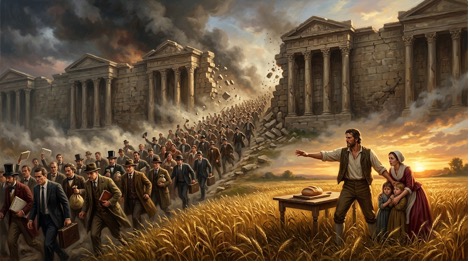
By using the TWEA to turn war powers inward, the federal government shifted from being a mere referee of the board game to the owner of the board itself.
Before the maneuver, the players controlled the commerce (the properties and cash) and the government just managed the framework. After the maneuver, the government held a permanent “Emergency” card that allowed them to rewrite the rules of the board at any time, changing the game from a free-market competition into a system where you can only move your token if the Banker grants you a license to roll the dice.
How do we fit into this?
This is where the fun begins